Recycling and Sustainability with Man With Van Enfield
 At Man With Van Enfield, sustainability is built into the way we plan, pack, load, and move. Our approach to Enfield man with van recycling is based on practical actions that reduce waste, support reuse, and lower the environmental impact of every job. Whether we are helping with a home move, furniture collection, or office clearance, we aim to make each stage of the process more responsible. A key target in our man with van Enfield recycling strategy is to divert at least 85% of recoverable materials away from landfill through recycling, reuse, and donation channels.
We work with a simple principle: if an item can be reused, repaired, separated, or recycled, it should not be thrown away. That means sorting household items, cardboard, plastics, metals, and old equipment before they enter the waste stream. In and around Enfield, borough-led waste separation has encouraged residents to divide recyclables more carefully, and our service reflects that same mindset. By keeping materials distinct from the start, our Enfield man and van recycling operations help make processing easier at local facilities and improve the chance that items are handled in the most sustainable way.
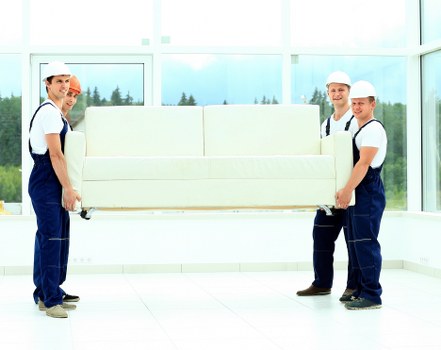 For many moves, the first step is identifying what can be passed on and what needs specialist recycling. Old books, clothing, kitchenware, office supplies, and domestic furniture often have a second life through our charity partners, while damaged or end-of-life items are directed to the correct waste route. This is especially important in a busy borough where mixed loads can quickly become contaminated. Through careful separation, man with van Enfield services can support cleaner recycling outcomes and reduce the amount of material that ends up as residual waste.
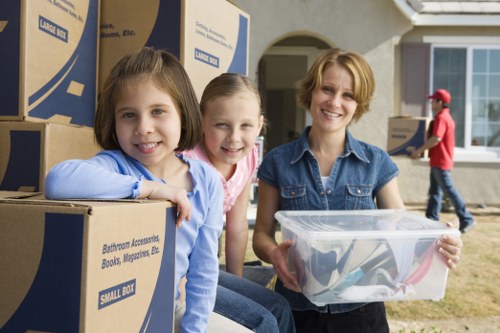 Local transfer stations play a major role in our recycling process. We use appropriately licensed Enfield waste transfer stations and nearby recycling centres to ensure sorted materials are handled efficiently and in line with regulations. These facilities can process different streams such as timber, metal, cardboard, green waste, and general recyclables. Choosing the right transfer point matters, because a well-managed station improves the chance that recyclable loads are baled, separated, and sent onward for reprocessing rather than disposal.
In practical terms, this means our teams do not treat every removal as a single mixed load. Instead, we aim to direct materials toward the most suitable route. For example, cardboard from a move is kept clean and dry where possible, metals are isolated because they have strong recycling value, and reusable household goods are kept apart from waste. This structured approach is one of the reasons our Man With Van Enfield recycling service can support a higher recycling rate while also saving time at transfer stations and donation partners.
We also recognise that sustainability is not just about disposal; it is about extending product life. Many items collected during house clearances can be restored or repurposed. Beds, tables, shelving, and office chairs may be suitable for reuse once checked, cleaned, or repaired. Light mentions of borough recycling habits are important here too: local authorities across North London increasingly promote source separation, with residents asked to sort paper, plastics, glass, and food waste more accurately. Our service complements that wider effort by keeping reusable goods out of the mixed waste flow.
Partnerships with charities are central to our sustainable removal model. We collaborate with local and regional organisations that can pass on suitable items to families, community projects, and people in need. These charity links help prevent unnecessary disposal and give furniture and household essentials a meaningful second life. When a collection includes items in good condition, we prioritise donation before recycling, because reuse is often the most sustainable option of all. This creates a clear environmental benefit while also supporting social value in the Enfield area.
Our charity partnerships also help us manage different categories of goods responsibly. Soft furnishings, books, kitchenware, bric-a-brac, and small home items can often be separated for reuse, while broken or unsuitable pieces are channelled to recycling. This layered approach is a key part of man and van Enfield recycling work, because it balances environmental goals with practical handling. It also supports the borough???s broader focus on keeping recyclable materials clean and helping residents make better choices about what to keep, donate, or separate.
Where items cannot be reused, they are moved through licensed recycling routes with attention to material type. Metals may go for smelting and reprocessing, wood can be recovered for panel products or other uses, and cardboard can be pulped for new packaging. Even mixed loads can often be improved by sorting on arrival at a transfer facility. By working with the right partners and local infrastructure, our Man With Van Enfield operations help ensure that recyclable content is not lost simply because it arrived in the wrong pile.
 A greener fleet is another important part of our sustainability commitment. Our low-carbon vans are chosen to reduce emissions compared with older, less efficient vehicles, helping us cut the environmental footprint of each journey across Enfield and surrounding boroughs. Efficient engines, better load planning, and fewer unnecessary trips all contribute to lower fuel use. When vans are fully loaded and routes are organised carefully, the carbon impact per item moved becomes significantly smaller.
We also look at how the vehicle itself supports cleaner operations. Modern vans with improved fuel economy produce less local air pollution, which matters in residential streets, high-traffic roads, and urban delivery zones. Combined with careful route scheduling, our low-carbon approach reduces idling and helps keep movements efficient. This means man with van Enfield recycling activity can be carried out in a way that is more compatible with local environmental goals, particularly where the borough encourages better air quality and more responsible resource use.
Every part of the process, from collection to final sorting, is designed to support a circular economy. We prefer to reuse before recycle, recycle before dispose, and always separate materials where possible. That includes common move-related waste such as packaging, bubble wrap, old shelving, scrap metal, and broken household items. Enfield???s broader waste separation culture makes this easier, and our service is designed to fit neatly within it. The result is a Man With Van Enfield service that is practical, responsible, and focused on making everyday removals more sustainable.
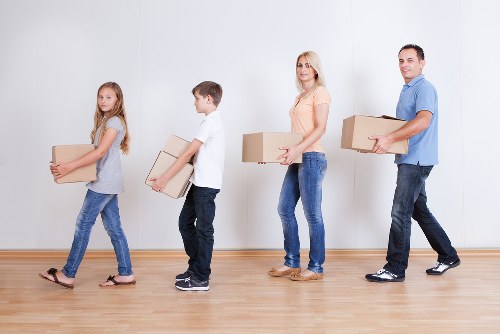 Sustainability is not a single action; it is a sequence of small decisions that add up. From choosing the right transfer station to supporting charities and using low-carbon vans, we aim to reduce waste at every stage. Our recycling percentage target keeps us accountable, while local sorting practices and careful handling improve the quality of what is recovered. With each move, collection, or clearance, we work to ensure that materials are given the best possible route back into use.
For customers looking for a man and van Enfield solution with a stronger environmental focus, our service is built around responsible resource management rather than simple disposal. By prioritising reuse, maintaining high recycling standards, and choosing cleaner transport options, we help make removals more sustainable for households and businesses alike. It is a straightforward, practical way to support the environment while keeping collections efficient and well organised.